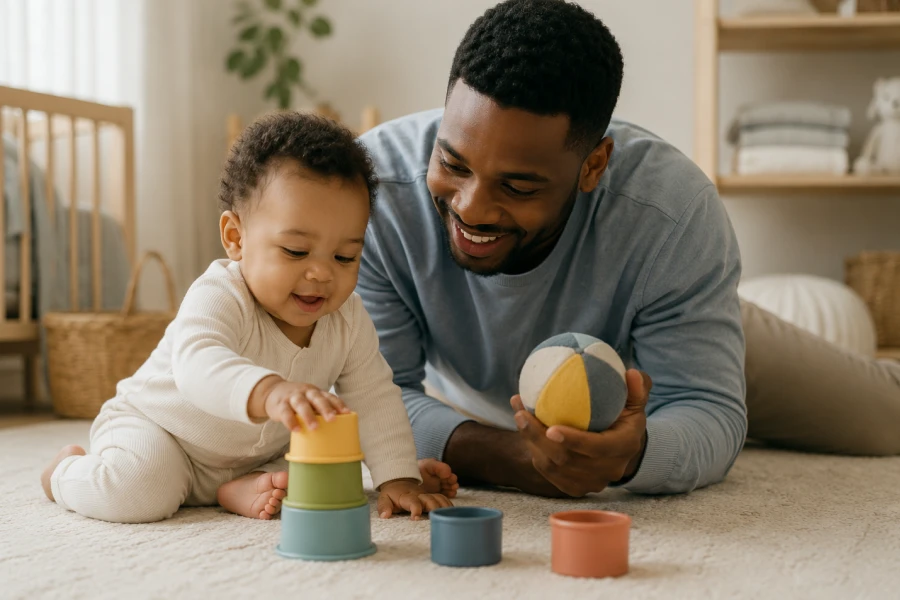
Toy shopping for babies can feel surprisingly overwhelming. Every package promises learning, fun, comfort, or genius. Parents want to choose well. They also want to avoid wasting money. The best shopping strategy starts before the store. It begins with knowing what babies actually use. Safe, simple, flexible toys often win. A clear plan prevents emotional buying. Parents can spend thoughtfully and still create joyful play. Less pressure makes every purchase smarter.
A plan turns shopping into decision making instead of reacting. Parents can review what they already own. They can note missing categories. Soft books, grasping toys, and stacking items may cover many needs. A smart toy shopping approach reduces duplicates. It also protects the budget. Stores are designed to create urgency. A list keeps priorities visible. Parents buy with confidence. The cart stays focused.
Babies grow quickly during the first years. A newborn needs different stimulation than a crawling baby. Parents should choose for the current stage and the next one. This extends usefulness. A toy that supports reaching may later support sorting. Flexible choices save money. Families can use money-wise playroom thinking before checkout. Age ranges matter. Safety matters even more. Developmental fit keeps toys relevant longer.
Packaging often makes bold promises. Parents should look past dramatic claims. A toy does not need to teach everything. It should support one or two useful actions. Reaching, stacking, shaking, rolling, and listening all matter. Simple play can be powerful. Parents should consider whether the baby can use it independently. They should also consider cleaning and storage. Practical questions reveal real value. Marketing becomes less persuasive when purpose stays clear.
Budgeting helps parents enjoy purchases without guilt. A set spending range creates helpful boundaries. Parents can compare prices before buying. They can also wait for sales when the item is not urgent. Thoughtful smart parent savings choices preserve play and peace. Secondhand options may work for washable, safe items. Parents should inspect everything carefully. A bargain is only useful when it remains safe. Budgeting turns restraint into confidence. The family stays in control.
Duplicates sneak in because baby toys look different. Two toys may serve the same purpose. Parents should group items by function. Do they already have something that rattles. Do they already have something that stacks. Do they already have something soft for chewing. These questions prevent clutter. A photo of the toy shelf can help in stores. Gift lists also reduce repeats. Fewer duplicates mean more meaningful variety.
Shopping gets easier with practice. Parents begin recognizing what their baby actually enjoys. They stop chasing every trend. They choose safer, sturdier, more flexible items. The budget feels less threatened. The playroom feels less crowded. Babies still get discovery and delight. Parents feel more grounded. A thoughtful process replaces the spending spiral. Better choices make playtime feel lighter for everyone.



Leave a comment